
Natural vs Lab-Grown Diamonds: Why Choose Natural?
A balanced comparison of natural and laboratory-grown diamonds, and the enduring qualities that lead many people to choose natural.
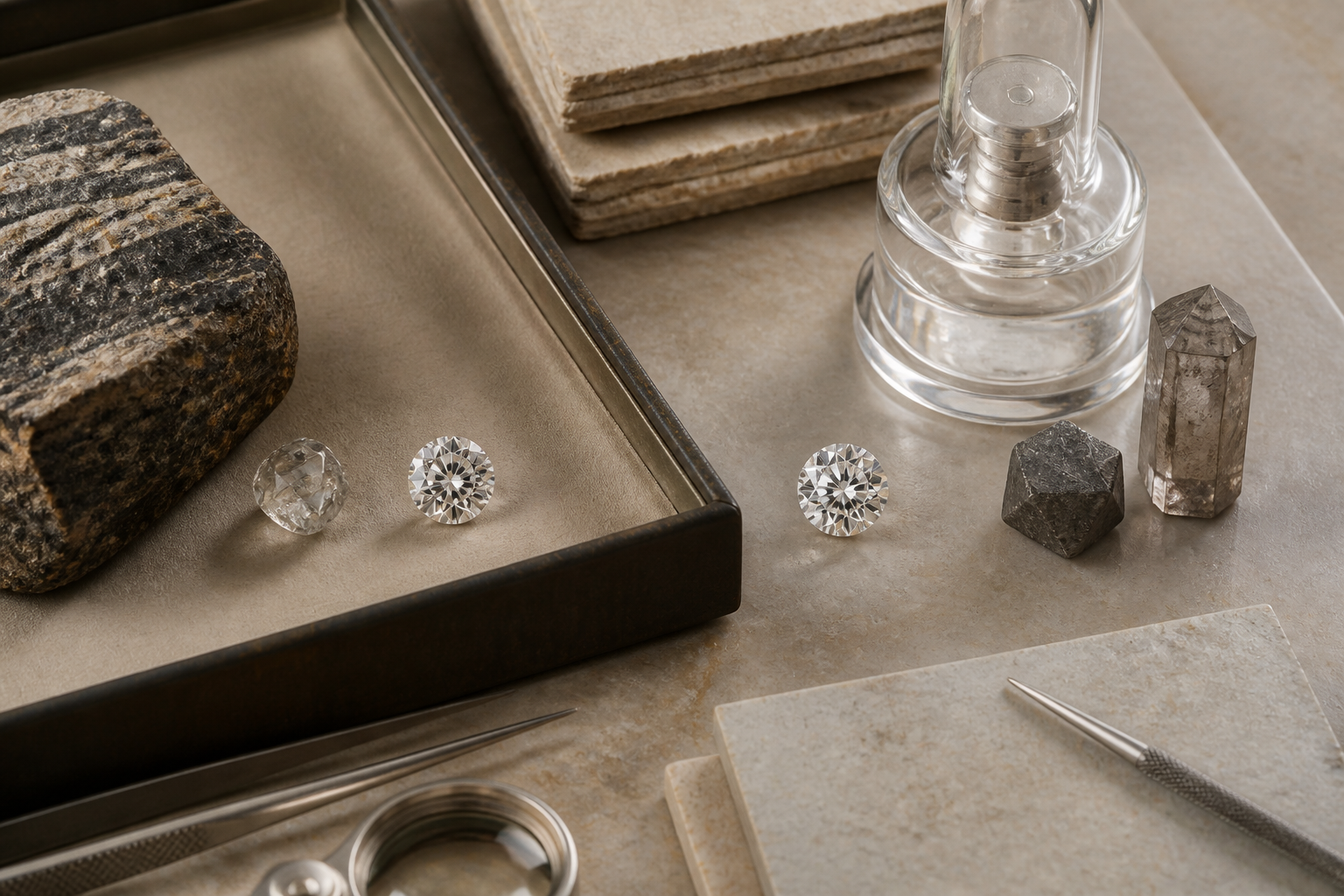
Natural and lab-grown diamonds are both diamonds
Natural and laboratory-grown diamonds share essentially the same chemical composition and crystal structure. Both can be beautiful, durable and suitable for fine jewellery. The defining difference is origin: natural diamonds formed deep within the Earth over immense geological time, while lab-grown diamonds are produced in controlled facilities over a much shorter period.
That distinction should be disclosed clearly. A grading report can identify whether a diamond is natural or laboratory-grown and record its assessed characteristics, but it is not a valuation or a promise of future value.
Why many people choose natural diamonds
For many buyers, a natural diamond carries meaning because it is a finite geological object rather than a manufactured one. Its age, rarity and individual formation story can feel especially fitting for an engagement, anniversary or heirloom intended to mark something lasting.
Natural diamonds also have a long-established place in jewellery history and a mature global market. That does not make every natural diamond rare or guarantee that it will retain its purchase price, but it can matter to customers who value continuity, provenance and collectability.
Appearance and individuality
Origin alone does not determine beauty. Cut quality, proportions, colour, clarity and the character of the individual stone all influence how a diamond looks. Natural diamonds may contain inclusions or growth features created during formation; some buyers appreciate these as part of a stone's identity, while others prefer a cleaner visual appearance.
The best comparison is between actual stones rather than labels. Review measurements, imagery and available reports, and consider how each diamond performs in the intended setting and lighting.
Price and long-term expectations
Lab-grown diamonds often offer a larger size or higher headline grades for a given initial budget. Natural diamonds generally command a higher price because their supply and market are different. Pricing in both categories can change, and neither should be presented as a guaranteed financial investment.
Choose according to what you want to own, what the occasion means and what you are comfortable spending. If future resale is important, seek independent advice and keep expectations realistic rather than relying on a retail price or grading report.
Consider sourcing claims carefully
Environmental and ethical claims should be assessed product by product. Natural diamond mining has impacts, and laboratory production requires energy and infrastructure. Broad claims that either category is always sustainable, ethical or traceable can overlook differences between mines, producers, energy sources and supply chains.
Ask what documentation is available for the specific diamond. Stone & Vale will describe known origin, grading and supplier information without claiming complete traceability where the evidence does not support it.
The Stone & Vale perspective
Stone & Vale focuses on natural diamonds for their geological origin, individuality and enduring place in fine jewellery. We believe these qualities make a natural diamond a compelling choice when the story of the material matters as much as its appearance.
The decision remains personal. Our role is to explain what is known about an individual stone, provide available documentation and help you compare proportion, beauty and suitability without overstating rarity, sourcing or future value.